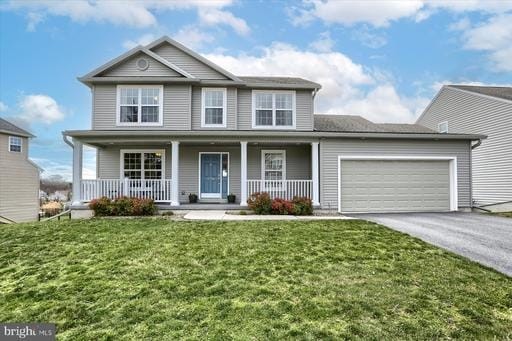
What Informed Buyers Consider When Evaluating Houses in Camp Hill

Searching for houses for sale in Camp Hill often begins with a simple question. Is this the right place to buy a home in Central Pennsylvania? The answer is usually yes, but not for the reasons most people initially assume. Camp Hill’s housing market is shaped by a combination of geography, school district demand, commuting patterns, and long-standing neighborhood stability. For buyers exploring this borough just west of Harrisburg, the key is understanding how those factors influence property value and long-term livability before making a decision.

Understanding the Real Problem Behind the Search

Most people searching for houses for sale in Camp Hill are motivated by a similar set of priorities. They want access to strong schools, a manageable commute to Harrisburg, and a community that balances suburban calm with proximity to urban services.

Camp Hill delivers on those goals, but the housing market within the borough is more layered than many buyers expect.

The borough itself is relatively small. Inventory is often limited, and homes can vary significantly in price even within the same neighborhood. Buyers sometimes assume that these price differences reflect square footage or renovation quality alone. In reality, several other factors play a role.

School district reputation is one of the most powerful drivers of demand. Proximity to major roads such as Interstate 83 also affects daily convenience for commuters working in Harrisburg’s government offices, hospitals, and private sector firms.

Weather and climate patterns also influence housing decisions. Central Pennsylvania experiences cold winters with occasional snowfall and warm, humid summers. Homes with strong insulation, efficient heating systems, and well-maintained roofs tend to perform better over time.

Understanding these dynamics early in the process helps buyers approach the market with greater clarity.

What Camp Hill Reveals About the Real Estate Market

Experiences in markets like Camp Hill reveal something broader about the housing industry.

Many real estate services emphasize speed. Listings appear quickly, buyers schedule showings, and offers follow soon after. While responsiveness is important, the real differentiator often lies in how well someone understands the complexity behind the decision.

Camp Hill illustrates this point clearly.

The borough sits along the west shore of the Susquehanna River, directly across from Harrisburg. That location makes it attractive to professionals working in government, healthcare, and education throughout the region. At the same time, the community maintains a residential character that many families value.

These dynamics shape housing demand in subtle ways. Certain streets attract stronger long-term interest because of school proximity or walkability. Other areas may offer larger homes at lower prices but require longer commutes or provide fewer neighborhood amenities.

Evaluating houses for sale in Camp Hill, PA therefore requires more than reviewing listings. It requires understanding how the community functions and how different neighborhoods evolve over time.

What Separates Thoughtful Real Estate Guidance

Over time, buyers begin to recognize that strong real estate guidance involves more than scheduling showings.

Professionals who work closely with clients tend to focus on several key elements.

Local knowledge

Even within a small borough like Camp Hill, neighborhoods differ in ways that influence long-term value. Familiarity with those differences helps buyers focus on properties that align with their goals.

Clear explanations

Real estate transactions involve inspections, negotiations, financing decisions, and timelines that can feel overwhelming. Clear communication helps families understand each step without unnecessary stress.

Long-term thinking

A home purchase is rarely just about today’s needs. Buyers often want to know whether a property will continue to make sense five or ten years into the future.

Working with families across Central Pennsylvania, Jodi Diego, a real estate professional with Howard Hanna Real Estate Services, approaches these conversations through careful one-on-one guidance. The goal is to help buyers look beyond individual listings and think about the broader implications of their decision.

A Practical Scenario From the Camp Hill Housing Market

Consider a family relocating to the Harrisburg region for employment.

They begin reviewing houses for sale in Camp Hill because the borough offers convenient access to downtown Harrisburg while maintaining a residential environment.

Two homes stand out.

One property sits near the borough center in an established neighborhood with mature trees and older brick homes built during the mid twentieth century. The second property is newer and slightly larger but located closer to a major traffic corridor.

On paper, the second home may appear more attractive due to its size and recent construction.

However, experienced advisors often encourage buyers to consider other factors. Walkability, neighborhood stability, and school district proximity can influence long-term property value just as much as square footage.

In conversations with buyers exploring the area, Jodi Diego of Howard Hanna Real Estate Services often helps families compare these types of tradeoffs. Looking beyond immediate appearance allows buyers to evaluate how a property may perform over time.

The Value Buyers Often Discover Later

Many families begin their search focused on tangible characteristics such as price, layout, and yard size. Those factors matter, but they rarely tell the entire story.

As the process unfolds, buyers often discover that the most valuable outcome is clarity.

When families understand how neighborhoods differ and why certain properties command stronger demand, the search becomes less stressful. Each option can be evaluated through a clearer lens.

Another benefit involves long-term financial stability. Camp Hill’s housing market tends to move steadily rather than dramatically. Buyers who choose homes carefully often find that this stability supports consistent property value.

These outcomes rarely appear in listing descriptions, yet they play a significant role in how satisfied homeowners feel years after their purchase.

A Broader Reflection on Today’s Housing Decisions

The housing industry has changed considerably over the past decade. Online platforms have made listings widely accessible, and buyers now arrive with more information than ever before.

Despite this shift, the most important insights in real estate remain local and contextual.

Communities like Camp Hill demonstrate why. A borough’s reputation, infrastructure, and schools shape housing demand in ways that cannot always be captured by online data.

Professionals who spend years observing these patterns often develop a deeper understanding of how neighborhoods evolve. That perspective allows buyers to interpret the market rather than simply react to it.

In Central Pennsylvania, where many families expect to remain in their homes for long periods of time, thoughtful decisions tend to deliver stronger outcomes than rushed ones.

Conclusion

Exploring houses for sale in Camp Hill is ultimately about more than identifying available properties. It involves understanding the community, its geography along the Susquehanna River corridor, and the factors that influence housing demand within the borough.

Camp Hill continues to attract buyers because it offers a balance of accessibility, strong schools, and established neighborhoods close to Harrisburg’s economic center.

For families approaching the market with careful consideration, the result is often a home that not only meets current needs but continues to make sense for many years.

FAQs

What makes Camp Hill a desirable place to buy a home?

Camp Hill attracts buyers because of its proximity to Harrisburg, strong public schools, and established neighborhoods. Many homes feature mature landscaping and traditional architecture, creating a stable residential environment while still offering convenient access to major highways and regional employers.

Are houses for sale in Camp Hill more expensive than nearby towns?

In many cases, yes. Camp Hill homes often command higher prices because of school district reputation and location near Harrisburg. Neighborhood stability and limited inventory within the borough also contribute to stronger demand compared with some surrounding communities.

What are the most affordable housing options in Camp Hill?

More affordable properties are typically smaller homes or those requiring updates. Homes located farther from the borough’s central areas may also present lower entry prices. Buyers willing to renovate older properties sometimes find opportunities within established neighborhoods.

How competitive is the Camp Hill housing market?

Camp Hill’s housing supply is relatively limited because the borough is geographically small. Well-maintained homes in desirable areas can attract strong interest. Buyers who understand local pricing patterns and neighborhood characteristics often navigate the market more successfully.

Is Camp Hill a good place for commuters?

Yes. Camp Hill sits just west of the Susquehanna River and provides quick access to Harrisburg. Major routes such as Interstate 83 and the Pennsylvania Turnpike allow residents to commute to government offices, hospitals, and other employment centers throughout the region.

How should buyers evaluate houses for sale in Camp Hill, PA?

Beyond price and layout, buyers should consider school district boundaries, commute times, neighborhood stability, and property condition. These factors often influence both daily quality of life and long-term property value when purchasing homes in Camp Hill.

Camp Hill, PA: Where Historic Charm Meets Market Opportunity

Purpose

I’m Jodi Diego, and I’ve guided countless buyers and sellers through Camp Hill’s dynamic real estate market. Whether you’re looking at houses for sale in Camp Hill, PA or seeking to buy property in Camp Hill, PA as a long-term investment or lifestyle move, this borough offers a compelling mix of heritage, livability, and real estate value. In this article, I’ll walk you through what makes Camp Hill a standout market—and why timing matters.

Walkability, Character, and Everyday Life

Camp Hill delivers on a promise that many towns can’t sustain—a genuine small-town feel with high walkability and community engagement. You’ll find tree-lined sidewalks, residents walking to school, and families biking to borough parks. Unlike more suburban sprawl, Camp Hill offers a walkable downtown, locally-owned shops, and corner cafes that create a sense of place.

As a resident or potential buyer, it’s easy to feel connected here—not just to your neighbors but to the borough’s long-standing traditions and local pride.

The Housing Stock: From Colonials to Custom Builds

“What kind of homes can I expect if I want to buy property in Camp Hill, PA?”

Camp Hill’s housing inventory is diverse but unmistakably rich in character. Many homes were built mid-20th century or earlier—stately Colonials, Cape Cods, and red-brick ranches dominate the landscape. These homes tend to sit on larger-than-average lots and offer generous square footage, mature landscaping, and thoughtful architectural details you don’t often find in newer builds.

That said, the borough also offers newer construction—typically in-fill development that’s architecturally aligned with the town’s aesthetic. Whether you’re looking for historic charm or modern amenities, the inventory caters to both preferences.

Market Performance: Prices, Trends, and Buyer Demand

For anyone reviewing houses for sale in Camp Hill, PA, timing and strategy are key. As of early 2025, median home prices hover around $397,000—an increase of nearly 39% year-over-year. Homes here sell quickly—most in under 8 days—with many receiving multiple offers.

This isn’t just market noise—it’s the result of constrained inventory, high demand, and a desirable location. Price-per-square-foot has also increased steadily, signaling buyer confidence and long-term value.

Those looking to buy property in Camp Hill, PA often come from urban hubs seeking lifestyle upgrades, better schools, and neighborhood cohesion. It’s a market where data and experience must guide your approach—especially when properties are going under contract so quickly.

Why Camp Hill Appeals to Families and Professionals

There’s a reason Camp Hill is frequently on the shortlist for Central Pennsylvania families. Schools are highly regarded and the borough is small enough that most children walk—yes, walk—to school. That’s a rarity in today’s suburban framework.

Meanwhile, professionals appreciate the borough’s access to Harrisburg’s employment base, medical centers, and transportation corridors. Whether you commute, work remotely, or run a home-based business, Camp Hill’s setting supports a balanced lifestyle.

Lifestyle Snapshot: Safety, Schools & Proximity

“Is Camp Hill really that livable?”

Yes. The town offers more than good homes—it offers a well-rounded, safe, and connected lifestyle. Crime rates are low. Public spaces are well maintained. Schools receive consistent praise for academic strength and student engagement.

You’re also just minutes from downtown Harrisburg, several regional medical centers, and all the conveniences of greater Cumberland County. Add to that seasonal events, historical landmarks like Peace Church, and a well-funded local library—and it’s clear this is a place people choose, not just land in.

What Makes Camp Hill Different

Camp Hill isn’t just another suburb. It has zoning laws that prioritize livability and preserve character. Its borough governance supports community services and walkable infrastructure. The homes aren’t cookie-cutter—and neither is the market.

There’s also an intangible: community. People know their neighbors. There’s a collective investment in the town’s future. That culture drives everything from yard maintenance to civic engagement—and ultimately, market resilience.

Buyer Story: The Value of Location-Specific Insight

Take Olivia and Sam—young professionals moving from Baltimore who asked, “Can we find a home in Camp Hill that’s walkable, updated, and under $450K?”

Yes—but timing was crucial. We monitored listings daily and visited a well-kept Colonial with a first-floor office and updated kitchen within 24 hours of it hitting the market. They submitted a strong, well-structured offer and were under contract within 48 hours. Their home has already appreciated in value, and they’ve fully embraced borough living—from Saturday library visits to morning runs at Willow Park.

Takeaway and Recommendations

Camp Hill offers something rare in real estate today: a desirable place to live with a market that still makes sense for long-term value. Whether you’re eyeing houses for sale in Camp Hill, PA as a primary residence or aiming to buy property in Camp Hill, PA for strategic investment, this is a borough that rewards informed action.

My advice: Work with a local expert who understands the nuances of inventory, pricing, and micro-neighborhood differences. In a fast-moving market, those insights make the difference between winning and missing out.

Let’s talk when you’re ready to make your move.

— Jodi Diego

FAQs

Q1: What types of homes are most common in Camp Hill?
Colonial-style, Cape Cod, and brick ranch homes dominate. Many were built mid-century with updates, while newer infill homes complement the traditional architecture.

Q2: How competitive is the market right now?
Very competitive. Homes often receive multiple offers within the first week of listing. Preparation and local insight are key.

Q3: What’s the school situation in Camp Hill?
Camp Hill School District is highly rated. It’s a small, tight-knit district where many students walk to school—there are no school buses.

Q4: How’s the safety and community culture?
Camp Hill is considered very safe, with an active, engaged community. Residents often participate in local events and take pride in maintaining the town.

Q5: Is Camp Hill a good investment market?
Yes. Strong price appreciation, limited land for expansion, and a loyal buyer base make Camp Hill a solid long-term investment opportunity.

Q6: What makes Camp Hill different from nearby suburbs?
Walkability, character-rich homes, strong civic identity, and a real sense of neighborly connection make Camp Hill uniquely appealing.