
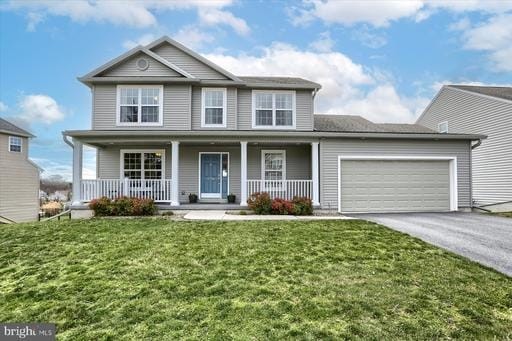
Searching for houses for sale in Camp Hill often begins with a simple question. Is this the right place to buy a home in Central Pennsylvania? The answer is usually yes, but not for the reasons most people initially assume. Camp Hill’s housing market is shaped by a combination of geography, school district demand, commuting patterns, and long-standing neighborhood stability. For buyers exploring this borough just west of Harrisburg, the key is understanding how those factors influence property value and long-term livability before making a decision.
Understanding the Real Problem Behind the Search
Most people searching for houses for sale in Camp Hill are motivated by a similar set of priorities. They want access to strong schools, a manageable commute to Harrisburg, and a community that balances suburban calm with proximity to urban services.
Camp Hill delivers on those goals, but the housing market within the borough is more layered than many buyers expect.
The borough itself is relatively small. Inventory is often limited, and homes can vary significantly in price even within the same neighborhood. Buyers sometimes assume that these price differences reflect square footage or renovation quality alone. In reality, several other factors play a role.
School district reputation is one of the most powerful drivers of demand. Proximity to major roads such as Interstate 83 also affects daily convenience for commuters working in Harrisburg’s government offices, hospitals, and private sector firms.
Weather and climate patterns also influence housing decisions. Central Pennsylvania experiences cold winters with occasional snowfall and warm, humid summers. Homes with strong insulation, efficient heating systems, and well-maintained roofs tend to perform better over time.
Understanding these dynamics early in the process helps buyers approach the market with greater clarity.
What Camp Hill Reveals About the Real Estate Market
Experiences in markets like Camp Hill reveal something broader about the housing industry.
Many real estate services emphasize speed. Listings appear quickly, buyers schedule showings, and offers follow soon after. While responsiveness is important, the real differentiator often lies in how well someone understands the complexity behind the decision.
Camp Hill illustrates this point clearly.
The borough sits along the west shore of the Susquehanna River, directly across from Harrisburg. That location makes it attractive to professionals working in government, healthcare, and education throughout the region. At the same time, the community maintains a residential character that many families value.
These dynamics shape housing demand in subtle ways. Certain streets attract stronger long-term interest because of school proximity or walkability. Other areas may offer larger homes at lower prices but require longer commutes or provide fewer neighborhood amenities.
Evaluating houses for sale in Camp Hill, PA therefore requires more than reviewing listings. It requires understanding how the community functions and how different neighborhoods evolve over time.
What Separates Thoughtful Real Estate Guidance
Over time, buyers begin to recognize that strong real estate guidance involves more than scheduling showings.
Professionals who work closely with clients tend to focus on several key elements.
Local knowledge
Even within a small borough like Camp Hill, neighborhoods differ in ways that influence long-term value. Familiarity with those differences helps buyers focus on properties that align with their goals.
Clear explanations
Real estate transactions involve inspections, negotiations, financing decisions, and timelines that can feel overwhelming. Clear communication helps families understand each step without unnecessary stress.
Long-term thinking
A home purchase is rarely just about today’s needs. Buyers often want to know whether a property will continue to make sense five or ten years into the future.
Working with families across Central Pennsylvania, Jodi Diego, a real estate professional with Howard Hanna Real Estate Services, approaches these conversations through careful one-on-one guidance. The goal is to help buyers look beyond individual listings and think about the broader implications of their decision.
A Practical Scenario From the Camp Hill Housing Market
Consider a family relocating to the Harrisburg region for employment.
They begin reviewing houses for sale in Camp Hill because the borough offers convenient access to downtown Harrisburg while maintaining a residential environment.
Two homes stand out.
One property sits near the borough center in an established neighborhood with mature trees and older brick homes built during the mid twentieth century. The second property is newer and slightly larger but located closer to a major traffic corridor.
On paper, the second home may appear more attractive due to its size and recent construction.
However, experienced advisors often encourage buyers to consider other factors. Walkability, neighborhood stability, and school district proximity can influence long-term property value just as much as square footage.
In conversations with buyers exploring the area, Jodi Diego of Howard Hanna Real Estate Services often helps families compare these types of tradeoffs. Looking beyond immediate appearance allows buyers to evaluate how a property may perform over time.
The Value Buyers Often Discover Later
Many families begin their search focused on tangible characteristics such as price, layout, and yard size. Those factors matter, but they rarely tell the entire story.
As the process unfolds, buyers often discover that the most valuable outcome is clarity.
When families understand how neighborhoods differ and why certain properties command stronger demand, the search becomes less stressful. Each option can be evaluated through a clearer lens.
Another benefit involves long-term financial stability. Camp Hill’s housing market tends to move steadily rather than dramatically. Buyers who choose homes carefully often find that this stability supports consistent property value.
These outcomes rarely appear in listing descriptions, yet they play a significant role in how satisfied homeowners feel years after their purchase.
A Broader Reflection on Today’s Housing Decisions
The housing industry has changed considerably over the past decade. Online platforms have made listings widely accessible, and buyers now arrive with more information than ever before.
Despite this shift, the most important insights in real estate remain local and contextual.
Communities like Camp Hill demonstrate why. A borough’s reputation, infrastructure, and schools shape housing demand in ways that cannot always be captured by online data.
Professionals who spend years observing these patterns often develop a deeper understanding of how neighborhoods evolve. That perspective allows buyers to interpret the market rather than simply react to it.
In Central Pennsylvania, where many families expect to remain in their homes for long periods of time, thoughtful decisions tend to deliver stronger outcomes than rushed ones.
Conclusion
Exploring houses for sale in Camp Hill is ultimately about more than identifying available properties. It involves understanding the community, its geography along the Susquehanna River corridor, and the factors that influence housing demand within the borough.
Camp Hill continues to attract buyers because it offers a balance of accessibility, strong schools, and established neighborhoods close to Harrisburg’s economic center.
For families approaching the market with careful consideration, the result is often a home that not only meets current needs but continues to make sense for many years.
FAQs
What makes Camp Hill a desirable place to buy a home?
Camp Hill attracts buyers because of its proximity to Harrisburg, strong public schools, and established neighborhoods. Many homes feature mature landscaping and traditional architecture, creating a stable residential environment while still offering convenient access to major highways and regional employers.
Are houses for sale in Camp Hill more expensive than nearby towns?
In many cases, yes. Camp Hill homes often command higher prices because of school district reputation and location near Harrisburg. Neighborhood stability and limited inventory within the borough also contribute to stronger demand compared with some surrounding communities.
What are the most affordable housing options in Camp Hill?
More affordable properties are typically smaller homes or those requiring updates. Homes located farther from the borough’s central areas may also present lower entry prices. Buyers willing to renovate older properties sometimes find opportunities within established neighborhoods.
How competitive is the Camp Hill housing market?
Camp Hill’s housing supply is relatively limited because the borough is geographically small. Well-maintained homes in desirable areas can attract strong interest. Buyers who understand local pricing patterns and neighborhood characteristics often navigate the market more successfully.
Is Camp Hill a good place for commuters?
Yes. Camp Hill sits just west of the Susquehanna River and provides quick access to Harrisburg. Major routes such as Interstate 83 and the Pennsylvania Turnpike allow residents to commute to government offices, hospitals, and other employment centers throughout the region.
How should buyers evaluate houses for sale in Camp Hill, PA?
Beyond price and layout, buyers should consider school district boundaries, commute times, neighborhood stability, and property condition. These factors often influence both daily quality of life and long-term property value when purchasing homes in Camp Hill.